KartX Racing Fuel Pumps Guide
Find petrol pumps, plan pit vs stretch stints, and never strand on empty.
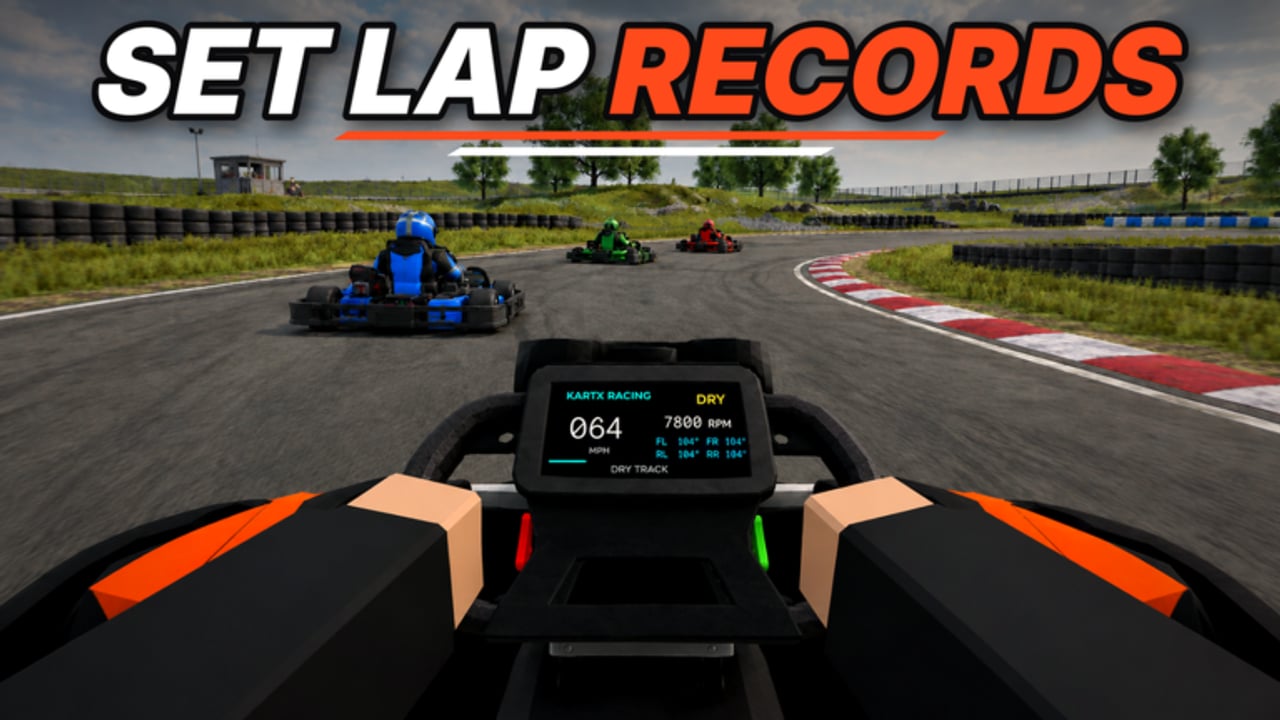
Fuel pumps are the quiet rule that separates clean KartX Racing miles loops from embarrassing strandings on the longest straight. The release-phase racer asks you to race, earn miles, unlock karts and classes, tune, and chase events—but every one of those plans fails if the tank hits zero mid-stint. Petrol stops are not optional flavor; they are part of the core loop alongside weather, tyres, and track learning. This guide covers why fuel exists, how to find pumps, when to pit versus stretch, how empty tanks punish you, and why Auto Drive scripts can lie about stops.
New to spawn and locker flow? Finish Getting Started first. Fuel skill assumes you can already complete a lap without panic.
Why fuel exists in KartX
Fuel forces stint planning. Without it, every lobby would be endless flat-out with no strategic pause. With it, you must:
- Know pump locations on the circuit you are learning.
- Decide whether to short-fill and attack or stretch and risk.
- Bundle stops with tyre changes when weather flips—see Weather & Tyres.
- Keep learning sessions honest so a brand-new track does not strand you during scout laps—see Track Mastery and New Track.
Miles come from finishing races and staying in the loop. Coasting to a stop with an empty tank breaks that loop and wastes the unlock plan you built on Earn Miles.
Finding petrol pumps
Treat pump locations as braking markers you memorize, not surprises.
- On a new or refreshed circuit, run a scout lap at reduced attack and note every petrol stop you pass.
- Mark mental cues: after which corner, before which straight, near which landmark.
- Confirm whether the pump is usable in traffic or needs a clear approach.
- Re-check after updates—layouts and title callouts for a NEW TRACK can move habits that worked yesterday. Patch context lives on Updates and New Track.
- Add pump notes to the same checklist you use for weather and tyres: the Race Checklist.
If you only learn pumps when the needle is already critical, you will discover them the hard way—usually in someone else’s braking zone.
Pit versus stretch—the core decision
Pit (stop now)
Stop when:
- The gauge is already in the danger band before a long sector.
- Weather just flipped and you also need a tyre change (Weather & Tyres).
- Traffic ahead is messy and a short pause lets the pack spread.
- You are scouting a new track and cannot afford a strand that resets learning.
A planned pit costs time once. An unplanned empty costs the stint.
Stretch (stay out)
Stretch when:
- You have a clear read that the next pump arrives before critical empty.
- You are on a short remaining stint where a stop would drop you behind a dense pack with no recovery.
- Conditions are stable and your burn rate is proven on this layout.
Stretching without a proven burn rate on this track is gambling. New asphalt, wet weather, and foggy sight lines all change how long a tank lasts in practice—lap time stretches, so fuel per race distance stretches with it.
Empty-tank strand risk
Empty is not a soft slowdown you can always nurse to the next stop. In KartX, running dry can strand you, end competitive hope for the race, and cut the miles you expected from the session. Common failure modes:
- Ego stretch after a good sector—“one more lap” past the needle.
- Wrong rubber weather that lengthens lap time until the tank math you memorized on dry days no longer holds.
- New track blindness where you never mapped pumps during scout laps.
- Script trust that assumed an Auto Drive path would hit every petrol stop.
Recovery starts with honesty: reset the plan, find the nearest pump on the next clean opportunity, and rebuild markers. Do not double down by diving a crowded pump approach and crashing—the strand becomes a wreck.
Interaction with weather, tyres, and tuning
Fuel is not isolated.
- Wet and fog sessions often mean longer laps → more burn per race distance → earlier stops.
- Mid-stint tyre changes should bundle with pumps when both are due.
- Extreme top-speed tunes that keep you flat longer on open sectors can change how you feel fuel timing; still watch the gauge, not the vibe.
- A brilliant wet setup from Weather & Tyres plus a grip-biased Kart Tuning package still fails on empty.
Pre-race order that works: weather → tyres → tune baseline → fuel plan → roll.
Auto Drive scripts and missed pumps
Automation is tempting in a miles-farming loop. KartX players discuss Auto Drive style scripts that follow a path while you idle. Warn yourself clearly:
- Scripts may miss petrol pumps or take lines that skip the stop you need.
- Pathing that worked on an old layout can fail after a new track drop.
- Empty-tank strandings under automation waste the whole AFK fantasy and can look indistinguishable from a soft lock to other players.
- Account and ToS risk sits with you—read the safety framing on Scripts and the Auto Drive notes on Auto Drive before you trust any executor path.
If you still experiment, supervise the first laps on each circuit, confirm pump hits manually, and never assume “it worked yesterday” after an update. Fair manual play remains the reliable way to learn pump maps you can reuse when scripts break.
Race checklist integration
Make fuel a first-class checkbox, not a panic glance:
- Pump locations known for this track (or scout lap scheduled).
- Pit-versus-stretch rule chosen for the stint length.
- Bundle rule set if weather looks unstable.
- Script supervision plan if you use Auto Drive at all.
- Abort rule: if the gauge hits critical with no clear pump, short the attack and survive.
Use Race Checklist so weather, tyres, fuel, and loadout stay one pre-flight pass. That habit pays more miles than any single “optimal” stretch.
Multiplayer pump etiquette
In a max ~10-player lobby, pumps are shared pressure points. Do not block the only approach while AFK. Leave space for others to enter and exit. If a marshal is managing a messy sector nearby, do not turn a fuel stop into a second incident. Clean stops keep the lobby playable and keep your own stint on schedule.
Session checklist
- Track pump map reviewed or scouted.
- Starting fuel plan: pit window vs stretch limit.
- Weather and tyres checked so burn-rate assumptions match conditions (Weather & Tyres).
- Bundle stop planned if a tyre change is likely.
- Auto Drive disabled or supervised with pump confirmation (Auto Drive, Scripts).
- New-track note: remapped pumps after layout drops (New Track, Tracks).
- Pre-flight on Race Checklist.
Fuel pumps reward boring excellence. Know the stops, pit before critical, bundle with tyres when weather flips, and never outsource the gauge to an unsupervised script. Do that across every KartX circuit—including the ones still tagged new—and your miles loop stays unbroken.
Frequently Asked Questions
Quick answers for KartX Racing drivers.
Where do I find petrol pumps in KartX Racing?
Learn them per circuit on a scout lap: note landmarks before long straights and after major corners. Remap after new-track updates—pump habits from an old layout can fail on a refreshed course.
When should I pit instead of stretching the tank?
Pit when the gauge enters the danger band before a long sector, when you also need a tyre change, or when you cannot risk a strand on a new track. Stretch only with a proven burn rate for that layout and weather.
What happens if I run out of fuel?
You risk stranding, losing the race, and cutting the miles you expected from the session. Treat empty as a stint-ender—plan pumps earlier rather than nursing a dead tank through traffic.
Can Auto Drive scripts handle fuel pumps reliably?
Not reliably. Paths can miss pumps, break after layout changes, or strand you while you AFK. Supervise early laps per track and read the safety notes on the Scripts and Auto Drive pages.
Should I combine fuel stops with tyre changes?
Yes when weather flips mid-stint. Bundling one stop for fuel and rubber costs less momentum than two separate visits—coordinate with your weather and tyres plan.