KartX Racing Players, Roles & Etiquette
Driver and marshal expectations for clean KartX lobbies capped at 10 racers.
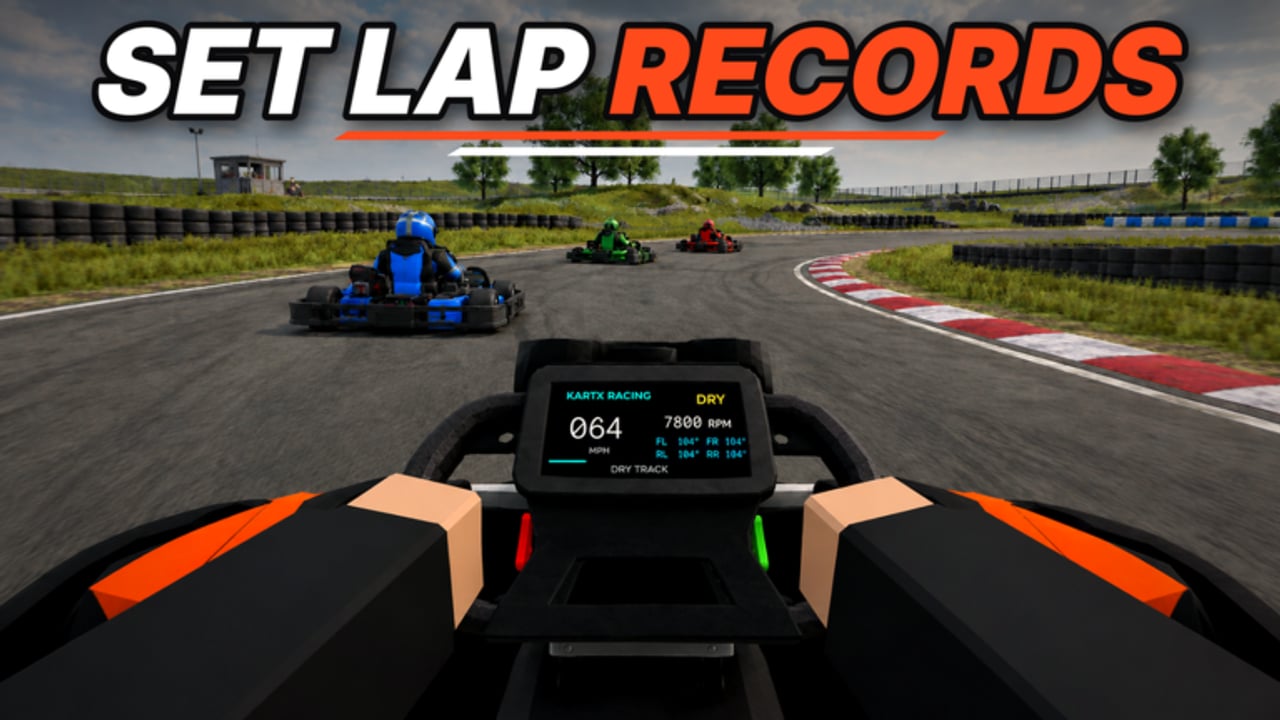
KartX Racing is a social racer as much as a lap-time game. Online sessions support up to 10 players, which means every contact, restart delay, and chat call is visible to the whole grid. This Players Hub explains the two roles you will meet most often—driver and marshal—and the etiquette that keeps release-phase lobbies worth joining after the 2026-09-02 launch by KartX Official.
Deep-dive next into the Marshal Guide. For session prep and progression context, use the Race Checklist, Tools Hub, Getting Started, Guides Hub, Tier List Hub, Updates Hub, New Track, Halloween, Codes Hub, and Scripts Hub.
Why a 10-player cap changes behaviour
In a 10-kart field there is nowhere to hide. A reckless dive affects half the pack. A polite lift into a messy braking zone earns respect that lasts the whole evening. Because KartX is still in release phase, players are also learning new circuits and seasonal hubs at the same time—patience is part of pace.
Implications:
- Starts and first corners need extra spacing when a NEW TRACK is fresh.
- Seasonal tourism during Halloween mixes veterans with first-timers.
- Marshals have real leverage: clear calls prevent ten-person restarts from melting into chaos.
- Miles progression is shared social pressure; nobody enjoys watching someone rage-quit after a avoidable tangle.
Role overview: driver
Drivers are the default role. Your job is to:
- Arrive with a sane loadout—tyres, fuel, tune, locker picks—using the Race Checklist.
- Race the circuit you joined, not a private demolition derby.
- Communicate briefly when you are slow on track, rejoining, or leaving.
- Accept marshal instructions during cautions, restarts, and unfair-start reviews.
- Keep rivalry on-track; take heated debates to private chat after the race.
Strong drivers still study the Tier List Hub and Guides, but mechanical skill without etiquette just produces lonely lobbies.
Role overview: marshal
Marshals support fair racing rather than chasing podiums every lap. Typical duties include watching starts, calling hazards, coordinating restarts, and cooling tempers when contact disputes appear. If you want the full playbook—communication scripts, when to intervene, how not to over-police—open the dedicated Marshal Guide.
Not every lobby needs a formal marshal, but busy evenings, NEW TRACK drops, and Halloween peaks benefit from one calm organiser.
Competitive etiquette checklist
Before the race
- Ready up only when your kart is actually ready.
- Do not block grid slots or event portals.
- Skim chat for house rules (no divebombs lap 1, mandatory restarts after multi-kart wrecks, and so on).
During the race
- Leave racing room through unfamiliar corners.
- Avoid brake-checking; if you defend, do it once and predictably.
- If you cause a big collision, own it in chat and help the restart move quickly.
- Blue-flag energy still applies in spirit: if you are being lapped or are damaged, hold a predictable line.
After the race
- gg goes further than silence.
- Save replays or notes for learning, not for public shame threads.
- Update your personal setup notes before the next queue.
Contact rules of thumb
Kart racing involves contact; KartX lobbies still distinguish racing incidents from griefing:
- Racing incident — both drivers committed to a corner with overlapping timelines; both leave space afterward.
- Avoidable hit — late dive with no overlap, revenge bump, or parking on the racing line after a spin.
- Griefing — repeated intentional wrecks, portal blocking, or abusing tools.
Marshals should escalate only the last two categories. Drivers should assume good faith once, then protect their session.
Chat culture that scales to 10 players
Short calls work best:
- “Slow on track turn 3”
- “Restart on marshal”
- “Hole shot left, holding line”
- “Event travel open—don’t AFK portal”
Long essays mid-race help nobody. Save setup debates for after the chequered flag, and point friends to wiki pages instead of arguing from memory.
Linking roles to progression systems
Etiquette intersects with systems:
- Miles — wrecking lobbies wastes everyone’s progression time.
- Karts / classes / tuning — unstable setups cause spins that look like intentional hits; fix the car via Tools and guides before blaming rivals.
- Locker — seasonal cosmetics from Halloween do not excuse ignoring race craft.
- Updates — after patches, re-read Updates so you are not enforcing outdated house rules.
Hosting a clean lobby night
If you organise friends:
- Share the Roblox place link and this Players Hub.
- Appoint one marshal for the evening.
- Agree on restart criteria before race one.
- Warm up on the circuit—especially after a NEW TRACK drop.
- Run one etiquette reminder, then race.
- Rotate marshal duty so one person is not stuck officiating forever.
This structure keeps competitive energy without turning KartX into a courtroom.
When scripts and “helpers” enter the chat
Someone will eventually paste a script promise. Point them to Scripts and refuse to normalise risky tools in your lobby. Fair races die quickly when half the grid doubts the results. Codes are different—verified gifts belong on Codes—but they are still not an excuse to delay the grid while everyone types.
Recommended reading path
- This Players Hub for role clarity.
- Marshal Guide if you will officiate.
- Race Checklist before you join.
- New Track or Halloween when those drops are live.
- Getting Started and Tier List for long-term strength.
Play hard, call cleanly, and leave every 10-player lobby better than you found it.
Frequently Asked Questions
Quick answers for KartX Racing drivers.
How many players can join an online KartX race?
Online races support up to 10 players per server/lobby context, so spacing and etiquette matter more than in giant free-for-alls.
What is the difference between a driver and a marshal?
Drivers focus on racing and clean competition. Marshals focus on fair starts, hazard calls, restarts, and dispute cooling. Details are in the Marshal Guide.
Do I need a marshal every race?
Casual friendlies can self-manage. Busy evenings, NEW TRACK launches, and Halloween peaks benefit from one calm marshal.
What counts as bad etiquette?
Revenge hits, portal blocking, ignoring restart calls, brake-checking, and delaying the grid while arguing mid-race are common failures.
Where should new players start before worrying about etiquette?
Read Getting Started, run the Race Checklist, then return here so your first online sessions are prepared and respectful.