KartX Racing Kart Tuning Guide
Balance acceleration, grip, and top speed for weather, traffic, and new tracks.
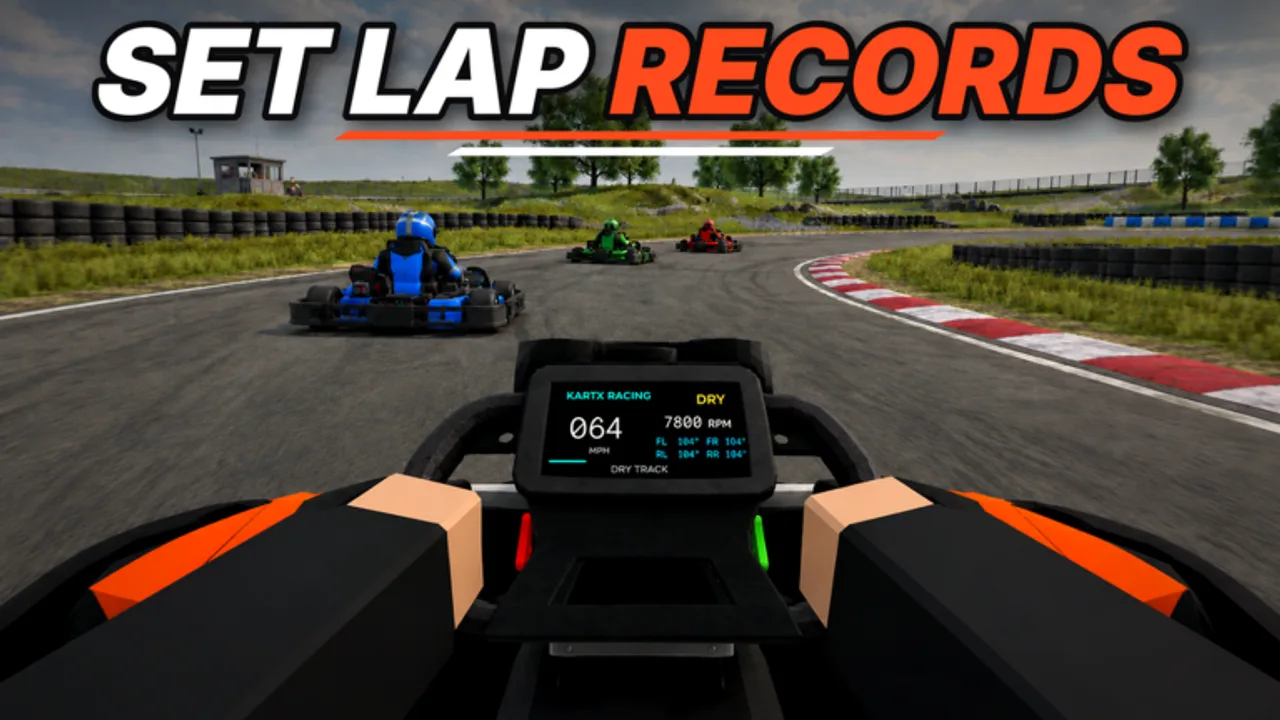
Kart tuning in KartX Racing is the difference between a miles machine you trust and a garage trophy that spins at every hairpin. The release-phase racer lets you shape how a kart delivers acceleration, grip, and top speed, then asks you to live with that choice across weather, tyres, fuel stints, and brand-new circuits. This guide explains the trade-offs, offers starting setups for common conditions, and shows when to retune instead of blaming the unlock.
Tune after you can finish races. If locker flow, pumps, and basic line work still feel foreign, finish Getting Started and Controls first. Tuning multiplies good habits; it cannot invent them.
What the three sliders really buy you
Think in jobs, not vibes:
- Acceleration — how hard the kart pulls out of slow corners, after pumps, and in traffic when you need to reclaim a gap. High accel helps twisty layouts and messy restarts; it usually costs peak speed on long straights.
- Grip — how willing the kart is to take a load at turn-in and accept throttle without stepping out. Grip wins in wet weather, bumpy entries, and tight sequences. Excess grip with no power can feel planted but slow on exit.
- Top speed — how high the velocity climbs on extended straights and open sectors. Top speed shines on flowing tracks with few hard stops; it betrays you when every other corner is a first-gear hairpin.
You rarely want all three maxed. KartX progression is about choosing which compromise matches this track and this weather.
Baseline setups to start from
Use these as starting points, then adjust one axis at a time:
Balanced all-rounder
Slightly above-middle grip, middle accel, middle-to-slightly-lower top speed. This is your day-one and “I just unlocked this kart” baseline. It forgives late braking better than a speed spear and still lets you learn the racing line from Controls.
Twisty / stop-go circuit
Raise acceleration and grip; lower top speed. You spend more time exiting corners than singing down endless straights. Traffic packs also reward the ability to restage after a yellow-flag mess—accel matters there.
Open / high-speed layout
Raise top speed, keep grip honest enough for the fastest kink, and do not starve accel completely or you will lose every restart after a pump visit. If the longest straight is where races are decided, speed is allowed to lead—but only after you can still make the braking zone at the end of it.
Wet or low-grip weather
Prioritize grip, soften your attack on top speed, and keep enough accel to exit without flooding the rear. Pair the setup with correct tyres. A wet-biased tune on dry tyres in rain is still a spin. Match rubber first, tune second.
New track scout tune
When KartX drops a new track, do not arrive with your most extreme speed setup. Use the balanced all-rounder for two learning sessions, note whether you are traction-limited or speed-limited, then specialize. Track Mastery covers the learning order; this page covers the setup response.
One-change discipline
Change one primary axis per outing. If you bump accel and top speed and cut grip in one go, you will not know which change fixed—or ruined—sector three. Log a simple note: track, weather, tyre, and what you moved. Release-phase patches can shift the feel; your notes tell you whether the kart changed or you did.
Tyres, weather, and tuning interact
Tuning does not replace tyre choice. Workflow:
- Read weather in the race UI.
- Fit matching tyres.
- Select a baseline tune for that grip level.
- Race two laps before another tweak.
If rain hits mid-stint, survival > ego. Short the attack, consider a tyre change when flow allows, and accept that a dry-speed tune will feel nervous until you adapt. Fuel still matters: a brilliant wet setup means nothing if you ignore fuel pumps and coast to zero on the longest straight.
Diagnosing common handling complaints
“It will not turn in.”
You are likely carrying too much entry speed, on the wrong tyres, or running a top-speed bias with low grip. Brake earlier, add grip, or both. Do not only add steering spam.
“It spins on exit.”
Too much throttle too soon, low grip, or an accel spike the rear cannot put down. Ease throttle application, add grip, or slightly reduce accel if you already drive aggressively.
“I get destroyed on straights.”
Your twisty tune may be correct for the corners but soft on speed. Add a dose of top speed only if you can still make the following braking zone. Also check whether you are simply late out of the previous corner—accel and line often beat a pure speed bump.
“It felt fine yesterday.”
Check Updates, weather, tyres, and whether you switched karts or classes after a miles spend. New unlocks need their own baseline; do not copy another kart’s extreme setup blindly. Compare options on the Karts Tier List and the broader Tier List.
Tuning around traffic and marshal lessons
In a ~10-player lobby, pure time-trial setups can be fragile. A touch more grip helps when you must take a second line or absorb a bump. If you spend time as marshal, watch which karts look unstable into the same corner—those drivers are often oversped or undertuned for grip. Bring that observation into your next locker session.
Unlock, then tune—never the reverse fantasy
Miles unlock the kart; tuning unlocks the kart’s potential. After a purchase from your Earn Miles bank:
- Equip it in the locker.
- Load the balanced baseline.
- Run a familiar track before judging it on a brand-new layout.
- Adjust one axis toward the track type.
- Only then decide the unlock was a mistake—most “bad karts” are mismatched setups.
Session checklist
- Weather noted; tyres matched.
- Baseline chosen for track type (twisty / open / wet / scout).
- One planned change maximum.
- Fuel plan set so testing laps are not cut short.
- Notes saved; compare against Tracks braking markers.
- Meta context checked on Updates and Karts Tier List.
Ignore shady “instant tune” claims and unverified tools; prefer fair play and the safety notes on Scripts. Redeem Official rewards only via Codes when they exist.
Kart tuning rewards patience. Move one slider, drive two clean laps, read the story the kart tells you on exit. Do that loop across dry days, wet evenings, and every new circuit KartX adds, and your garage stops being a museum—it becomes a set of tools you know how to use.
Frequently Asked Questions
Quick answers for KartX Racing drivers.
Should I max top speed on every KartX kart?
No. Top speed helps open tracks with long straights, but twisty layouts and wet weather usually want more grip and acceleration. Start balanced, then specialize.
How do weather and tyres affect tuning?
Match tyres to weather first. In the wet, bias toward grip and be careful with top-speed setups. Retune after conditions change instead of forcing a dry attack package.
What setup should I use on a brand-new track?
Use a balanced scout tune for the first sessions. Learn which sectors are traction-limited versus speed-limited, then adjust one axis at a time.
Why does a new unlock feel worse than my old kart?
New karts need their own baseline. Copying an extreme setup from another machine—or judging the unlock on a hostile track—often creates a false negative.