KartX Racing Weather & Tyres Guide
Read the race UI, match rubber to grip, and change mid-stint when conditions shift.
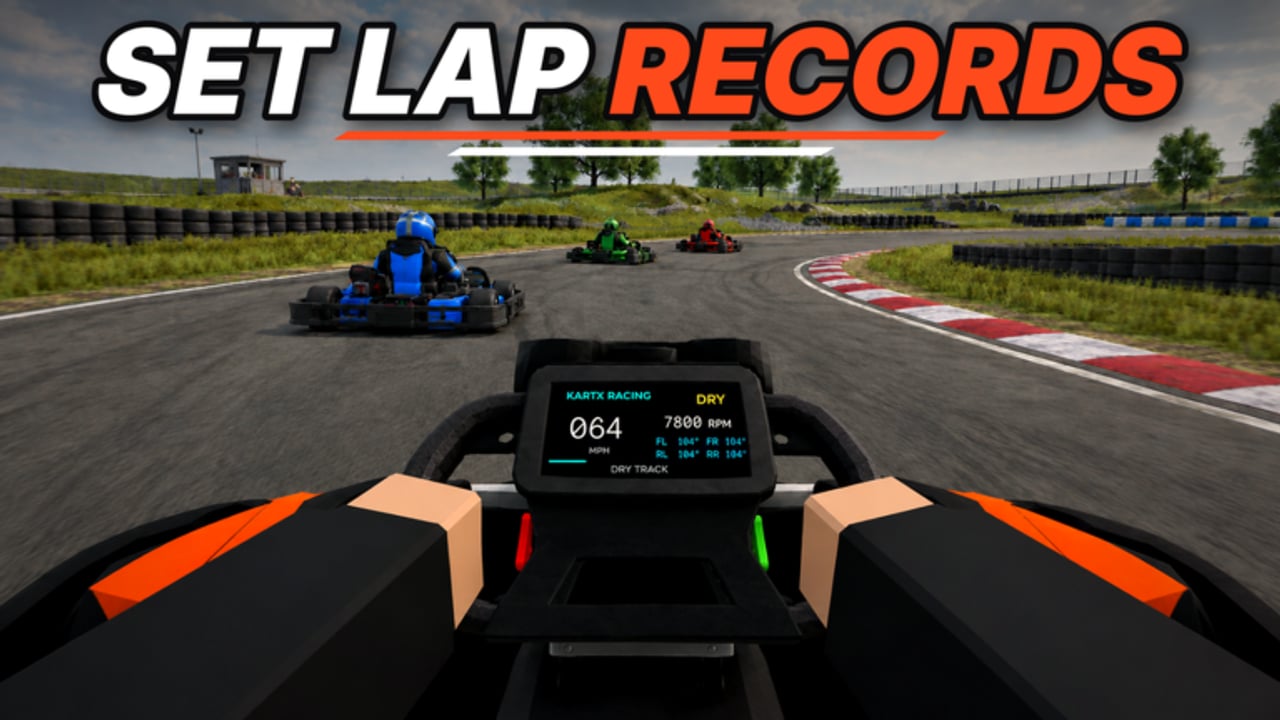
Weather and tyres decide whether your KartX Racing stint feels planted or like you are driving on soap. The release-phase racer mixes dry grip, wet surfaces, and foggy low-visibility sessions across familiar layouts and brand-new circuits still called out in the title. Miles, unlocks, and even a sharp Kart Tuning package cannot save a dry compound in standing water. This guide teaches you to read the weather UI, pick matching rubber, decide when a mid-stint change is worth the time, and keep fuel and setup honest while you learn.
If spawn, locker flow, and basic line work still feel shaky, finish Getting Started and Controls first. Tyre skill multiplies clean driving; it does not replace it.
Read the weather UI before you roll
Make weather the first pre-race check—before ego setups and before you copy a friend’s dry-speed tune.
- Open the race UI and note the active condition: dry, wet, fog, or a mix the session is trending toward.
- Confirm which tyre options your current kart and class can equip from the locker flow.
- Match rubber to the grip story the UI is telling you, not to the compound you “always use.”
- Only then pick a baseline tune from Kart Tuning that fits that grip level.
- Glance at fuel so your learning laps are not cut short—see Fuel Pumps.
Treat the UI as a contract. Ignoring it because “the last lobby was dry” is how you donate the opening corners.
Dry, wet, and fog—what grip actually feels like
Dry
Dry sessions reward committed braking markers and earlier throttle. Dry tyres give the highest mechanical grip when the surface is honest. You can run a more open top-speed bias on flowing tracks, but you still need enough grip for the fastest kink. Use dry rubber as the default only when the UI says dry.
Wet
Wet sessions punish late braking and greedy exits. Wet-biased tyres keep the kart rotatable when spray and slick patches appear. Expect longer braking zones, softer turn-in, and a rear that steps out if you dump throttle on a damp exit. Pair wet rubber with a grip-biased tune; a dry-speed spear on wet tyres is still nervous, and wet tyres on a pure dry attack package fight each other.
Fog and low visibility
Fog is as much an information problem as a grip problem. You lose early sight of braking boards, marshal gestures, and traffic packs. Prefer a forgiving grip level, earlier markers from Controls, and slightly less aggression on unfamiliar sectors. Fog plus wet is the survival combo—protect the kart first, chase purple sectors later.
Matching tyres is non-negotiable
Workflow every time you join or restart:
- Weather noted in the UI.
- Tyres matched to that weather.
- Tune selected for that grip level (balanced, twisty, open, or wet bias).
- Two clean laps before another setup change.
Do not “test” dry tyres in rain for fun during ranked-feeling lobbies. Save experiments for quiet practice or when you already accepted a learning stint. Wrong rubber turns every other system—tuning, fuel, even a strong kart from the Karts Tier List—into noise.
When to change mid-stint
Weather in KartX can shift across a long race loop. Mid-stint tyre changes are a pace-versus-survival decision:
- Change when the UI flips hard (dry to wet or the reverse), you are sliding on entry that used to be free, or fog rolls in and your dry attack package becomes unreadable.
- Hold when the change is mild, you are one short sector from a natural stop, or a pit would drop you into dense traffic with no recovery.
- Bundle with fuel when possible. If you already need Fuel Pumps, combine the stop so you do not pay twice in lost momentum.
Ego says stay out. The miles bank prefers a short, clean stop over a spin that ends the stint. Use the Race Checklist so weather, tyres, and fuel are one pre-flight block—not three afterthoughts.
Interaction with kart tuning
Tyres set the grip ceiling; tuning chooses how you spend it.
- Wet tyres + grip-biased tune = planted but not automatically fast—you still need exit discipline.
- Dry tyres + top-speed bias = strong on open layouts if braking zones stay honest.
- Mixed weather + extreme tune = the common failure mode. Soften the extreme axis until conditions stabilize.
Change one primary tune axis after a tyre swap, then drive two laps. If you swap rubber and slam all three sliders, you will not know what fixed sector three. Full process lives on Kart Tuning.
Fuel still matters in every weather
A perfect wet setup means nothing if you coast to zero on the longest straight. Weather often lengthens braking and can stretch lap time, which stretches fuel burn per race distance. Build a pump plan before you chase weather heroics. Empty-tank strandings waste the miles loop that funds unlocks—see Fuel Pumps and the earn loop on Earn Miles context via finishing races cleanly.
New-track scout rules
When KartX highlights a NEW TRACK, do not arrive with your most extreme dry-speed package and a stubborn tyre habit.
- Read weather on the new circuit the same way you would on an old one.
- Fit matching tyres—even if you “know” your main track defaults.
- Use a balanced scout tune for the first sessions.
- Note whether you are traction-limited or speed-limited after rubber is correct.
- Specialize only once braking markers from Track Mastery start to stick.
New asphalt plus wrong tyres creates false negatives on karts and classes. Scout honesty beats highlight-reel spins. Patch notes and circuit drops land on Updates.
Multiplayer and marshal lessons
In a max ~10-player server, weather multiplies traffic mistakes. Leave extra margin in fog; expect longer braking trains in the wet; do not dive a damp hairpin because someone else locked up. If you rotate into the marshal role, watch which compounds look unstable into the same corner—those drivers are often on wrong rubber or oversped for the grip available. Bring that observation into your next locker session.
Session checklist
- Weather read in the race UI before throttle.
- Tyres matched (dry / wet / fog-aware choice).
- Tune baseline chosen for that grip level; one planned change max.
- Fuel plan set so weather learning is not cut short.
- Mid-stint change rule decided: change, hold, or bundle with a pump.
- New-track scout mode on if the circuit is fresh—see Tracks.
- Meta glance at Updates and Karts Tier List.
- Pre-flight pass on the Race Checklist.
Ignore shady “instant wet setup” claims. Prefer fair play and the safety notes on scripts hubs when people push automation. Official rewards, when they exist, stay on Codes.
Weather and tyres are a loop: read UI → match rubber → tune lightly → race two clean laps → adjust or pit when conditions flip. Do that across dry afternoons, wet evenings, foggy packs, and every new KartX circuit, and your garage stops guessing—it starts answering the track.
Frequently Asked Questions
Quick answers for KartX Racing drivers.
How do I know which tyres to use in KartX Racing?
Read the weather UI before you roll. Fit dry rubber for dry grip, wet-biased tyres when the surface is damp or raining, and favor a forgiving compound plus earlier braking when fog cuts visibility.
Should I change tyres mid-race if weather shifts?
Yes when the UI flips hard or you are sliding on entries that used to be free. Bundle the stop with a fuel pump when you can. Hold if the change is mild and a pit would dump you into dense traffic with no recovery.
Does kart tuning replace tyre choice?
No. Match tyres to weather first, then pick a baseline tune for that grip level. A wet-biased tune on dry tyres in rain is still a spin; rubber sets the ceiling, tuning spends it.
What tyre and setup should I use on a brand-new track?
Match tyres to the new circuit’s weather, then run a balanced scout tune for the first sessions. Learn which sectors are traction-limited versus speed-limited before specializing.
Why does fuel still matter when I am focused on weather?
Weather can lengthen lap time and stretch fuel burn. A perfect wet package still fails if you empty the tank on a long straight—plan pumps alongside tyre strategy.