KartX Racing Track Mastery
Learn new circuits fast: lines, braking markers, weather, fuel stops, and consistent laps.
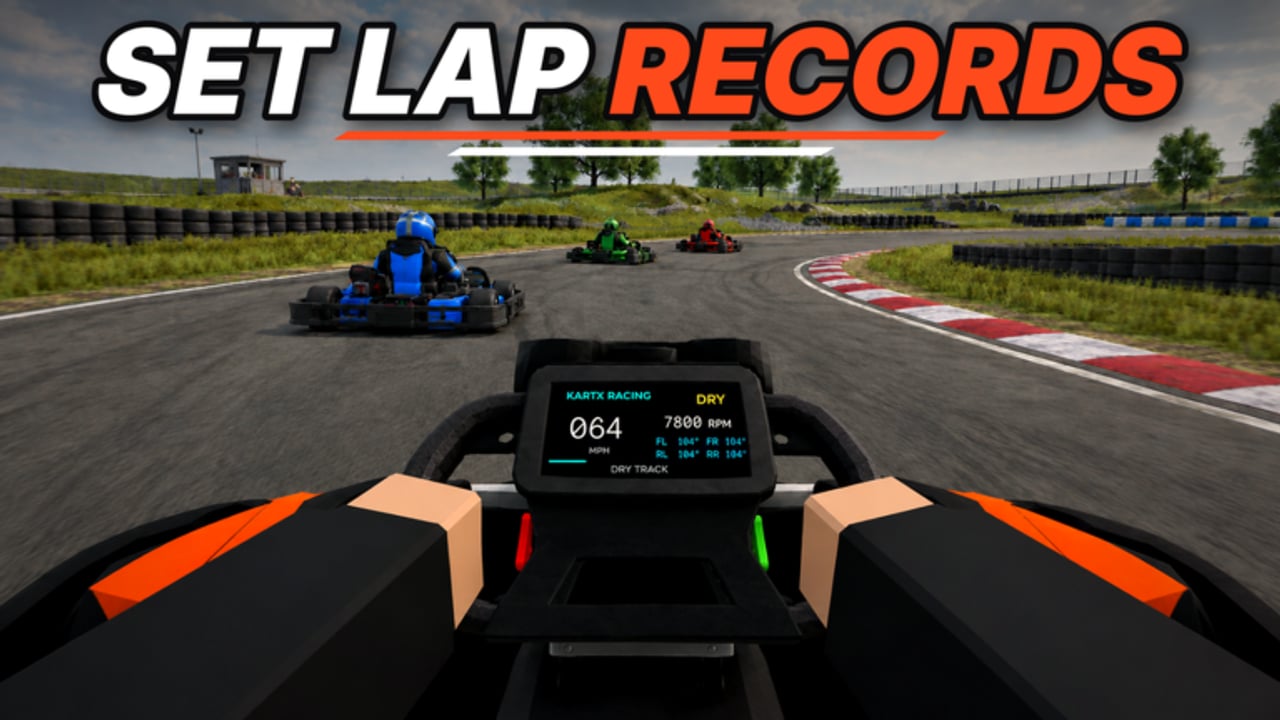
New asphalt is the release-phase tax. KartX Racing keeps adding new tracks and seasonal twists, and every unfamiliar layout threatens your miles-per-hour until you rebuild braking markers, racing lines, and fuel plans. This guide is a repeatable method for learning circuits quickly—without inventing fictional sector maps or fake ghost times. Use it whenever Updates announces a drop, a Halloween variant, or a layout you simply have not raced yet.
Bring solid inputs from Controls and a balanced setup from Kart Tuning. Track mastery is applied race craft, not a separate mini-game.
The four-lap learning protocol
When you load an unknown circuit:
Lap 1 — Sight lap.
Brake early everywhere. Note big features only: long straight, tight hairpin, blind crest, bump before a kink, location of fuel pumps relative to the paddock or pit flow. Do not fight traffic for glory.
Lap 2 — Marker lap.
Assign a visual braking marker to every major corner. Buildings, barriers, curb starts, and shadow lines all work. Say them mentally: “brake at the second light,” “turn after the billboard.”
Lap 3 — Line lap.
Connect outside-inside-outside arcs. Prioritize exits onto long straights. If a sequence is messy, accept a slower middle corner to protect the final exit.
Lap 4 — Race sim.
Add traffic awareness and a fuel glance plan. If weather is wet, confirm tyres before you treat this lap as a baseline.
After four structured laps you know more than drivers who spent the same time divebombing turn one. Then—and only then—start a miles block with Earn Miles.
Racing line priorities by corner type
- Hairpins — late enough apex to open the exit; early throttle kills rotation.
- Fast sweepers — small steering, stable throttle; grip tune and correct tyres matter more than hero entries.
- Chicanes — sacrifice the first apex slightly to straighten the second; unsettled karts bounce into the exit wall.
- Blind entries — believe your marker, not your nerves; lift earlier until the view is learned.
- Kink onto a straight — flat if stable, brush brake if not; this corner often decides whether your top-speed tune was worth it.
Online packs change the ideal line. Have a Plan B a kart-width inside or outside so a blocked apex does not become a full stop.
Weather on unfamiliar tracks
New + wet is the hardest combo. Rules:
- Fit weather-correct tyres before attacking.
- Move every braking marker earlier by a clear margin.
- Bias Kart Tuning toward grip for the first wet sessions.
- Treat standing water vibes (even in stylized Roblox weather) as “reset the lap,” not “send it.”
Dry sessions after rain can still be slippery in shaded sectors. Re-validate one marker lap when conditions flip mid-evening.
Fuel stops as part of track knowledge
Learning a track includes learning when you can visit fuel pumps without wrecking a stint. On sight laps, deliberately note:
- Where pumps sit relative to start/finish.
- Whether the out-lap rejoins onto a fast straight (dangerous merge) or a slower sector.
- How much fuel a typical race length needs so you are not guessing at half distance.
Build two fuel checkpoints into your mental dashboard (for example, start/finish and a mid-lap landmark). Empty tanks on a new track feel especially bad because you also lose learning reps.
Traffic, marshal eyes, and incident hotspots
Small lobbies still create big crashes at the first heavy braking zone and at narrow chicanes. While learning:
- Take wider entries if a pack is stacked ahead.
- Avoid three-wide fantasies into a decreasing-radius turn.
- If you marshal for a session, watch where yellow-flag energy concentrates—those are your caution markers next time you drive.
Revenge after a bump teaches the track nothing. Rejoin, reclaim your line, continue the protocol.
Seasonal and Halloween layouts
Halloween and other events may reskin a circuit, add temporary objectives, or change how you route between tasks and races. Efficiency tips:
- Read the event UI so you know whether the layout itself changed or only the goals.
- Keep the four-lap protocol even if the lobby is wearing costumes.
- Do not invent event codes; use Codes only for Official redeemables.
- If the event tempts risky tools, stay manual and review Scripts safety notes instead of gambling your account for a shortcut.
Translating track notes into unlock and tune decisions
After you can post consistent laps:
- If the track is stop-go heavy, spend miles on a kart that likes accel/grip—see Karts Tier List and Tier List.
- If it is open and fast, a top-speed lean becomes justifiable after you can brake for the ending zones.
- If you still bounce between walls in one sector, fix line and markers before buying a new class to “solve” a driver problem.
Garage progression from Earn Miles should follow track evidence, not lobby peer pressure.
Consistency checklist before you farm
- Four-lap protocol completed at least once today.
- Braking markers named for every major corner.
- Tyres match weather; tune matches track type.
- Fuel checkpoints chosen; pump merge practiced once at safe pace.
- One Plan B line identified for the busiest corner.
- Patch/event notes skimmed on Updates.
- Personal goal set: consistency first, then miles, then attacking rivals.
How this page links the rest of the Guides hub
- Guides Hub — full tutorial map.
- Getting Started — locker and day-one loop.
- Controls — inputs, line, braking theory.
- Earn Miles — convert clean laps into unlocks.
- Kart Tuning — setups for dry, wet, and scout sessions.
KartX will keep shipping new tracks; that is a feature, not a reset of your skill. Each circuit only asks for the same honest work: sight, mark, line, then race. Do that work and the next drop stops feeling like a wall—and starts feeling like fresh asphalt you already know how to learn.
Frequently Asked Questions
Quick answers for KartX Racing drivers.
How should I learn a new KartX Racing track?
Use a four-lap protocol: sight, set braking markers, connect the racing line, then simulate race pace with fuel and traffic awareness before you grind miles.
What changes in wet weather on a new circuit?
Fit matching tyres, move braking markers earlier, bias tuning toward grip, and delay all-out attacks until you can finish laps without constant offs.
When do I include fuel pumps in track learning?
On the sight lap. Note pump locations and merge danger, then set two fuel glance checkpoints so learning stints do not end with an empty tank.
Should I unlock a new kart just for a new track?
Only after you know whether the layout needs accel, grip, or top speed. Learn the circuit first, then spend miles using the Karts Tier List and a sensible tune.